

Temporary Signs: How to Make Them So They Don’t Look Cheap
Learn how to make temporary signs that feel like they belong and reinforce the atmosphere you're trying to create for your business or event.

You can change a sign—you can’t change a bad first impression
We’ve all seen a faded piece of paper taped to a wall and masquerading as a sign. You know the ones, with their curling edges and long-dried mystery splatter. At best, they look simply unappealing (and unprofessional) in say, an office, retail space, lobby, or reception area. In restaurants, food trucks, and bathrooms? Actually disgusting. Temporary signs that look cheap make a bad first impression, and like a popped balloon or squeezed tube of toothpaste, once it happens there’s no going back.
From over a decade of vending for my small business, I can tell you that “temporary signage” is one of the most misunderstood parts of selling in person. A lot of people assume the choice is between cardboard and a marker or professionally engraved signs. It isn’t. Likewise, temporary signage for walls isn’t limited to used-and-abused paper or marble plaques with brass fittings. There are better options that are just as flexible—but look a whole lot less temporary.
Whether you’re putting a sign on a wall, setting one on a table, or displaying one outdoors for a season, there’s usually a better option—and choosing the right one starts with knowing how and where you’ll use it.


Choose the right temporary sign for the job
Any one type of temporary sign isn’t a one-size-fits-all solution, because the situations are not all the same. Sometimes you’re guiding guests through an event or process, like tent cards that help people navigate seating arrangements at a wedding or event check-in at a hotel. Other times, you need wayfinding signs to direct visitors through a building or office. Or maybe you’re posting temporary parking instructions, construction detours, or seasonal business information that needs to stay outdoors for weeks or months. Choosing the right format from the start is the easiest way to create a temporary sign that doesn’t look last-minute or like an afterthought.
| If your sign will… | Consider… |
|---|---|
| Hang on a wall or door indoors | Removable adhesive signs |
| Sit on a counter or table | Tent cards |
| Stay outdoors for months | Durable vinyl signs |
| Direct guests around an event | Removable adhesive signs or tent cards |
How do I make temporary signs for an event?
Once you’ve chosen the right sign for the job, creating it is the easy part. Our online sign maker includes free templates and simple design tools to help you create signs that fit your space.
From weddings to vendor booths to campus events, you can easily design polished signs without starting from scratch.
Then it’s just a matter of printing your signs, whether you do it yourself or order them custom printed.
Planning for your next big event? Signs are only one layer of the experience. Here are some additional resources that can help you get started.
1) Get started designing your signs
Making temporary signs for events is a lot easier when you start with free designs. Once you see one you like, use the editing tools in our sign maker to customize it with colors, fonts, logos, photos, and other details to match your event or brand. You can even add your own QR Code® to help people connect with your website or social media.
You can also upload artwork you’ve already created in Canva®, Adobe Illustrator®, Photoshop, or another design program. No matter which path you take, your design is placed into the correct Avery product layout so that it’s properly formatted for however you like to print.
2) Refine so that your signs are easy to read
One thing that can make any sign look cheap is being illegible. Branding and theme are obviously a matter of personal taste and usually carefully chosen for an event or particular space. But no matter what your brand style or theme is, there are some timeless rules for making signs that are easy to read.
• Use a clear headline.
• Limit the amount of text.
• Choose high-contrast colors.
• Make sure the type is readable from the intended distance.
• Add a QR Code when people need more information instead of trying to fit everything on the sign.
3) Print it yourself or let Avery print it
When you need your signs the same day or will need to update them on a flexible schedule, printable signs and tent cards really come in clutch. All you need is to choose the right material for your printer and you’re good to go.
But there are times when custom printed signs and tent cards make much more sense, even for temporary signage. For example, when you need larger quantities, outdoor durability, or simply don’t have a printer, professionally printed signs are the way to go.
What is the best material for temporary signs?
The real answer: there isn’t just one. The best material depends on what your sign needs to do. A sign directing guests through a hotel check-in has different requirements than one posted outdoors for a construction project, even though both are temporary. Instead of looking for one “best” material, it always comes back to thinking about the job your sign needs to do. Here’s how different signage materials hold up for different jobs.
Surface Safe® removable film signs
Signs with removable adhesive are always the best choice when you need temporary signs to display indoors on walls, windows, doors, or countertops. Surface Safe removable signs take it a step further because the water-resistant film doesn’t leave behind residue. They’re also durable enough to stand up to everyday wear and tear and you can wipe them clean. You get to skip right past peeling edges, mystery splatters, and the water spots that make temporary signs look neglected.
Surface Safe temporary signs are perfect for offices, retail stores, schools, conferences, weddings, and other events where you don’t own the walls. When you’re finished, just peel them away. No goo, no scraping, no problem. As long as you use them as recommended, the walls will look exactly the way they did before your event or promotion.
Waterproof vinyl adhesive signs
Some temporary signs need to stay outdoors for weeks or even months. For example, you might display them on something temporary like construction fencing, dust walls, or sandwich boards but they still need to withstand the weather.
That’s why waterproof vinyl sheet labels make excellent signs. The goal isn’t to remove the sign later—it’s to remove the entire temporary display or project once it’s no longer needed.

Waterproof vinyl sheet labels stand up to rain, sun, and everyday outdoor exposure for up to two years. Plus, you can print them yourself on a standard laser or inkjet printer. They’re by far the best choice whenever your temporary sign needs long-term outdoor durability.
Cardstock tent cards

Not every temporary sign belongs on a wall. Cardstock tent cards are ideal whenever you need to display information on tables, counters, or reception desks—and especially when that information is likely to change.
My favorite example is tabletop booth signage for vendors at markets, craft fairs and conventions. These types of temporary signs are a high-impact way to generate leads and repeat purchases with relatively low investment.
Tabletop signage is also perfect for wedding seating assignments, event check-in, conference schedules, and restaurant table displays, and promotional countertop signs. When the event ends or the information changes, simply print a new tent card instead of replacing a permanent display. That flexibility is what makes cardstock the best material for temporary tabletop signage.
How do I hang temporary signs without damaging walls?
The easiest way to hang temporary signs without damaging walls is to start with signs designed for clean removal. For Surface Safe removable signs, follow these simple steps to keep walls looking like you were never there.
- Start with a clean surface. Wipe away dust, grease, and moisture so the adhesive bonds properly.
- Apply the sign to a recommended surface. Surface Safe signs work best on clean, smooth, finished surfaces like painted walls, glass, metal, and doors.
- Press firmly across the entire sign. Smooth out air bubbles and make sure the edges are fully adhered.
- Peel it away slowly when you’re finished. Surface Safe signs are designed to peel away cleanly for up to six months when used as directed. Lift one corner and remove the sign slowly at a low angle.
Printable signs or custom printing—which is better?
The best choice depends on how quickly you need your signs, how many you need, and the type of design you’re printing. If you’re only making a few signs or expect the information to change, printing them yourself is usually the better option. If you’re printing larger quantities or designs with full-bleed backgrounds, saturated colors, or detailed photos, custom printing is often the better choice.
| Print at home if… | Order custom printing if… |
|---|---|
| You only need one or a few signs. | You need multiple copies or signs for several locations. |
| You need the signs today. | You have time to wait for professionally printed signs. |
| The information will change often. | The design will stay the same for a while. |
| You have a printer that can handle the job. | You don’t have the right printer or don’t want to invest in one. |
| Your design is simple or has light color coverage. | Your design includes full-bleed backgrounds, saturated colors, or detailed photos. |
Printing your own signs gives you the most flexibility. You can update pricing, schedules, seating assignments, or event information whenever you need to and print only what you need. Custom printing is the better choice when you need consistent results across larger quantities or designs with sharp details, rich color, and full-bleed printing that many home and office printers can’t reliably reproduce.
Custom printing can also be a quick way to get started making temporary signs that look polished and like they belong in your space. Start with a design, customize it, then have it custom printed.
More questions about temporary signs
Yes, but make sure you understand the difference between OSHA and ANSI signs and that they meet legal OSHA safety sign requirements before you print them. Workplace safety signs often require specific colors, symbols, wording, and layouts to communicate hazards clearly and comply with safety standards.
That depends on the material and where you use it. Surface Safe® removable signs are designed for indoor use and remove cleanly for up to six months when used as directed. Waterproof vinyl signs can withstand rain, sun, and everyday weather for up to two years. Cardstock tent cards are intended for short-term use but can be reprinted whenever your information changes.
Yes. Temporary signs can be waterproof, but the best material depends on where you’ll use them. For indoor signs that may be exposed to moisture or frequent cleaning, choose a water-resistant film. If your sign needs to withstand rain and long-term outdoor exposure, choose a waterproof vinyl label material designed for the weather.
Usually not. Adhesive signs, including Surface Safe® removable signs, are designed for one-time application and won’t stick properly if you peel them off and try to reuse them. However, temporary signs displayed on reusable holders or sandwich boards can be stored and used again as long as the sign itself remains in good condition.
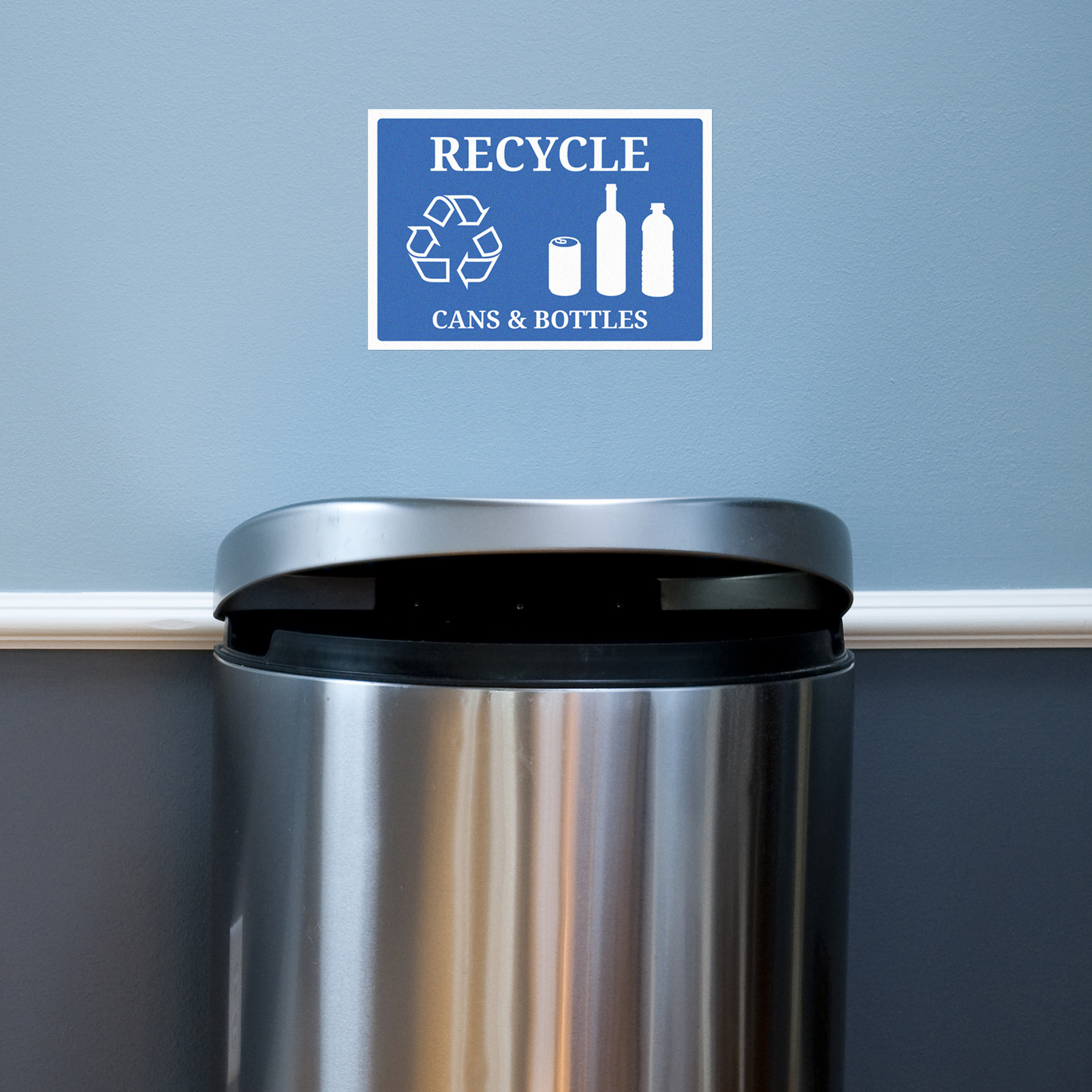
Temporary signs are only temporary—your first impression isn’t
You don’t have to let curling edges and mystery splatters dictate how customers view your business or guests view your event. Just because your signs are temporary that doesn’t mean they can’t also feel like they belong and reinforce the atmosphere you’re trying to create.
Over a decade of vending has taught me that every touchpoint is an opportunity to invite potential customers deeper into my world. Whether it’s signage that gave them the right answer before they had to ask, or a QR Code that let them explore more of what I do, that’s what makes it memorable.
Temporary signs are just one way to create a fully realized experience that says, “Welcome, you’re in the right place and you’re going to find what you need here.” If you’re looking for more practical ideas to help your business communicate clearly, stay organized, and make a great impression, explore our Grow Your Business articles.


