

How to Design a Logo for Your Business: A Beginner’s Guide
Designing a logo for your business doesn’t have to be complicated. Start with these simple logo design basics to build a brand people remember.

Creating a logo for your business can feel like a huge task, especially if you’re new to design or branding or running a small business for the first time. But here’s the thing: a strong logo is essential—it’s what makes your brand unique and recognizable. Think of your logo as the face of your brand; it’s often the first thing people see and the impression they’ll remember. So, let’s break down the process to make it feel manageable and even exciting.
Define your brand identity
Before diving into logo design, it’s all about understanding who you are as a brand. Ask yourself: What does my business stand for? Who am I trying to reach? You’ve likely spent time shaping your vision and products, so now we’ll translate that into visuals. Knowing your brand’s mission and values will help guide every design choice, ensuring your logo feels authentic and connected to your story.
Designing your logo: the four essentials
When it comes to creating a standout logo, these four elements are key:
- Memorability
A strong logo makes an impression. It should be instantly recognizable and leave a mark on anyone who sees it. - Versatility
Your logo needs to work everywhere—on screens, printed materials, packaging—so it’s crucial that it scales well across different platforms and sizes. - Timelessness
Avoid trends that will age quickly. Aim for a design that reflects your brand’s enduring qualities and will stay relevant for years. - Brand alignment
The logo should resonate with your brand’s personality and mission. This creates a genuine connection with your audience.
Building a logo takes time, but it’s worth getting it right the first time. Regularly check back on these four points to ensure your design aligns with your goals.
Creating a logo can be time-consuming and expensive, it is a labor of love and you should aim to only need to do it once. If you want a strong logo it is wise to regularly refer back to these four elements and ask yourself: Does this logo represent my brand and its mission? Does it lean into current trends, or does it closely resemble competitors? Does my logo have a lot of small elements or intricate details that can be lost on different platforms? These are ways we can continuously check back on these rules to avoid common pitfalls when designing your logo.
Logo design elements: the fun part
Now that you know what your brand stands for, it’s time to get creative! Here are four design elements to explore when creating your logo:
Type
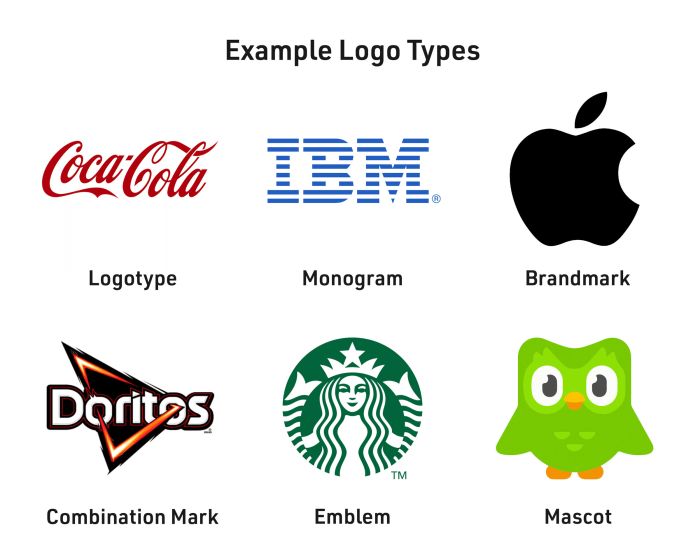
- Mascot Logo: Features a character or illustration that embodies your brand’s personality—great for brands looking for a playful vibe.
- Logotype: A text-only logo that highlights your brand’s name in a unique way. Perfect for brands with a strong, memorable name.
- Monogram: Uses initials or abbreviations, typically with custom font work—ideal for brands with longer names.
- Brandmark: An abstract symbol that represents your brand visually without text. This creates a strong visual hook.
- Combination Mark: A mix of a wordmark and a symbol, allowing flexibility for different uses.
- Emblem: Text within a shape, like a badge, which often gives a vintage or classic feel.
Style
After you have decided your logo type, next we can look into what style you want your logo to be. There are an endless number of graphic design styles, and there are always new styles being developed but some of the most popular logo styles today include minimalist, retro, traditional, and contemporary. I recommend researching different styles of logos to get the best idea of what you like and what would fit your brand. Don’t limit yourself to just researching within your market, gather a vast array of logos to compare and identify key elements you like across them. Once you have a solid idea of what you like and what fits your brand and product, you should have an idea of what style you want.
Font
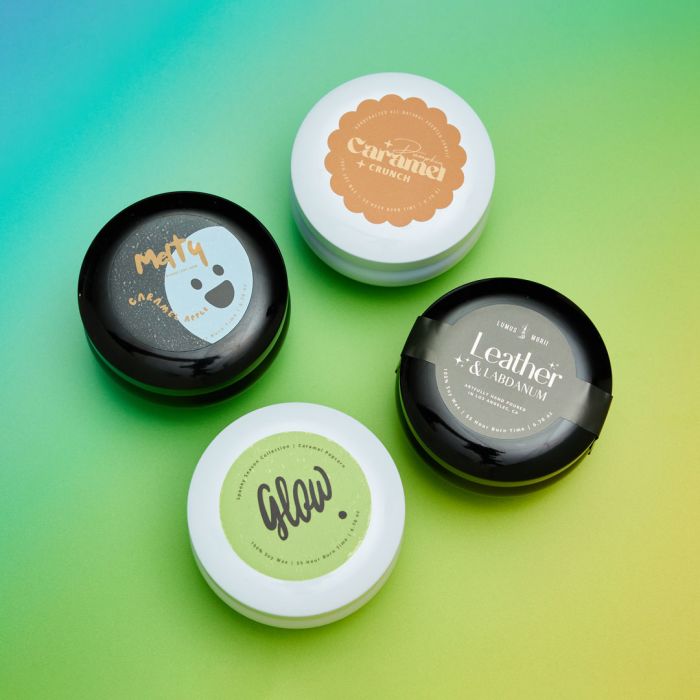
Font choice plays a big role in logo design because it helps express your brand’s personality. The right font can set the tone for how people see your business at a glance. It also needs to stay easy to read so your brand name is clear whether it appears on packaging, marketing materials, or online. Different font styles send different signals—for example, serif fonts often feel more traditional and professional, while sans-serif fonts usually feel modern and clean.
Color
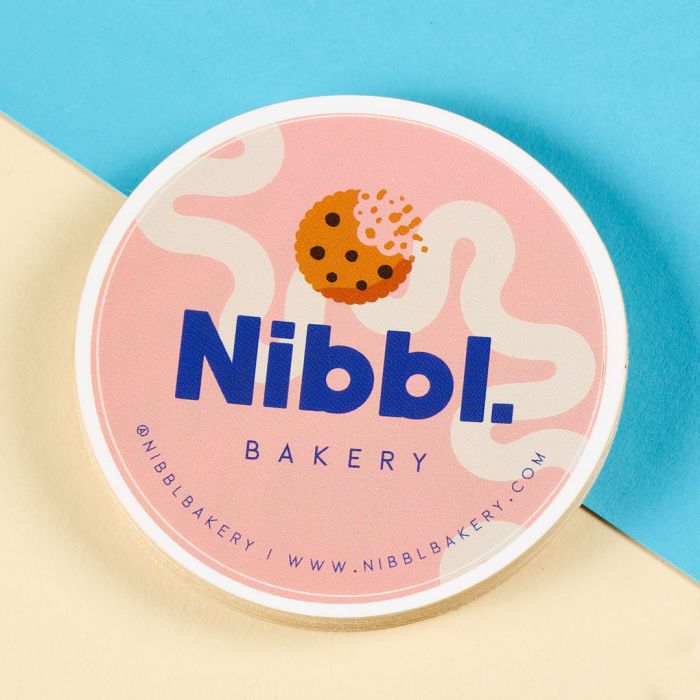
Color is essential in logo design because it instantly communicates emotions and values associated with the brand. Different colors evoke distinct feelings—such as trustworthiness with blue, energy with red, or calmness with green—which influence how audiences perceive the brand. A well-chosen color palette can enhance brand recognition, making it more memorable and visually appealing. Color also ensures versatility across various backgrounds and mediums, from digital to print, preserving the logo’s impact in different contexts. Ultimately, the right color choices unify the logo’s visual identity, reinforcing the brand’s message and making a lasting impression on its audience.
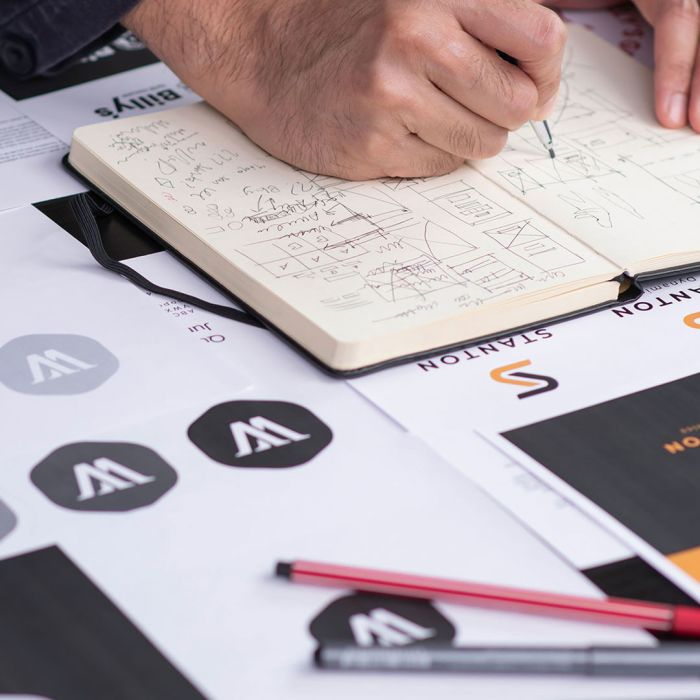
After you have your visual inspiration and references, you have a strong grasp of the style you are aiming for, you have an idea of the typeface you want to use, and you have collected a variety of color swatches it is time to begin sketching. Whether you are working with a professional or all on your own, it is wise to doodle out your initial concepts. Don’t worry if you are not the best at drawing, the goal is to get your ideas on paper so you can fully see your vision. Don’t just settle on one sketch, try different elements, and alternative colorways. Your logo should be properly fleshed out before you move on to refining it.
Gather feedback on your logo
Once you’ve created a draft, getting a second opinion can be invaluable. Share your logo with colleagues, customers, or a designer if possible—they can offer insights you may not have considered. Use the four essential elements as a guide for feedback, asking if the logo feels memorable, versatile, timeless, and true to your brand. While you might feel it’s perfect, an outside perspective can help spot any potential misunderstandings, overlooked details, or unintended associations. Once you have this feedback, you’re ready to move on to refining your logo.
Test your logo across different platforms
Before finalizing, it’s crucial to test your logo to ensure it resonates with your audience and effectively conveys your brand message. Testing helps you see how your logo performs across various sizes, formats, and backgrounds, ensuring it remains clear and impactful in all settings. Checking it with diverse audiences can also reveal accessibility considerations, such as color visibility for color-blind users, making your logo more inclusive. This process lets you refine and perfect your design, creating a logo that’s strong, adaptable, and universally appealing.
Creating a logo for your business takes time and creativity, but with thoughtful planning and design choices, you can craft a powerful visual symbol that truly represents your brand.
Happy designing!
Continue exploring logo and label design
Designing a logo is just one step in building your brand. If you’re refining your packaging or labels next, explore more guides on fonts, materials, and label shapes.


