

Varnish vs. Laminate: Which Label Coating Should You Use?
Varnish vs. laminate: Learn the real difference and when to use each based on how your labels are handled, stored, and used in real life.

Not all label protection is created equal
When I first started paying attention to label durability, I assumed anything labeled as a “protective coating” would do the job. But that wasn’t exactly true. I learned pretty quickly that different coatings solve different problems. Some help with light scuffing or improve how a label looks. Others are built to actually protect your labels from real-world wear—like handling, shipping, or exposure to moisture.
If you’re trying to decide between varnish and laminate, the difference matters more than it might seem at first.
Quick answer: varnish vs. laminate
If you just need a quick recommendation, here’s how I think about it:
- Choose laminate when durability matters.
It creates a physical barrier over your label, making it a better choice for products that are handled often, shipped, or exposed to moisture, oils, or friction. - Choose varnish for light protection and finish.
It’s a coating applied directly to the label that can enhance appearance and provide some resistance, but it won’t hold up as long as laminate.
A simple way to decide:
If your labels need to last through real use, go with laminate. If they just need to look good with a bit of protection, varnish can work.
How to choose laminate vs. varnish in real life
The easiest way to choose between laminate and varnish is to think about what your labels actually go through after you make them. Not just how they look fresh off the printer—but how they hold up once they’re in customers’ hands.
Here’s how I break it down when it comes to which label coatings to choose:
For products that get handled a lot, choose laminate
If your products are picked up, passed around, or tossed into bags, laminate is the safer choice.
This includes:
- Items sold at markets, conventions, or pop-ups
- Products customers handle before buying
- Inventory that gets packed, unpacked, and transported often
In my experience, these are the labels that wear down the fastest. Even light friction from hands or surfaces can start to show pretty quickly without that extra layer of protection.
For moisture, oils, or messy environments, laminate is best
If there’s any chance your labels will come into contact with:
- Water or condensation
- Oils (like skincare or food products)
- Spills, smudges, or frequent wiping
Laminate helps create a barrier that keeps your design intact.
This is especially important for products that live outside of controlled environments—like anything stored in bathrooms, kitchens, or bags.
When appearance matters more than durability, go with varnish
Varnish is a good option when your labels don’t need to withstand much wear, but you still want them to look polished.
This works well for:
- Products that aren’t handled much before use
- Items with shorter shelf lives
- Packaging where the label is more about presentation than protection
You can also use varnish to match the look you’re going for, whether that’s a soft matte finish or a bit of shine.
Need more help deciding how much durability you need?
If you think appearance matters most, but you’re still not sure, this guide can help you do a quick “gut check.”
A lot of label issues don’t show up right away—they happen after your product is handled, packed, or used in real life. That’s why it helps to think beyond how your labels look today and consider how they’ll hold up once they’re out in the world.
How I decide for my own products
One thing I didn’t expect is how differently customers handle products depending on the price point.
My lower-cost items get picked up constantly. People pass them around, compare options, and dig through displays to find the style they like. Those labels go through a lot of wear in a short amount of time, especially across multiple events.
On the other hand, my higher-end pieces are handled much more carefully. Sometimes I even have to encourage people to pick them up. They sell quickly and don’t go through the same kind of repeated handling, so they don’t need the same level of protection.
That’s why laminate is a must for my smaller items, while varnish usually works just fine for my higher-end products.
Durability doesn’t end at label coatings
When varnish vs. laminate starts to become a real question for your business, you should probably think about label material and adhesive too.
Paper, film, and vinyl labels all have their benefits. So, it’s important to understand what each type of material has to offer—from look and feel to durability performance.
Choosing adhesives will also affect how well your labels perform over time.
What’s the actual difference between varnish and laminate?
Now, I’m going to let you in on a small industry secret. You’ll often hear both varnish and laminate referred to as “label coatings.” And that’s sort of true. Most people and businesses describe them that way because it’s a convenient umbrella term since they’re both used to protect labels.
But they don’t work the same way. Varnish is a liquid coating applied directly to the surface of the label. Laminate, on the other hand, is a thin film layer applied on top of the label, creating a physical barrier.
Varnish: a coating applied to the label
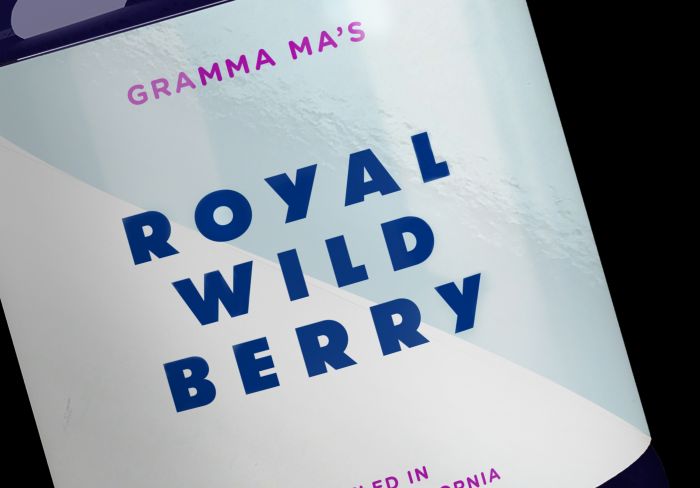
Varnish is a liquid coating that’s applied directly to the surface of the label. Because it’s applied directly to the label, varnish doesn’t significantly change the look or texture—it mainly enhances what’s already there.
- Matte varnish keeps a softer, more natural finish
- Gloss varnish adds some shine, but it’s usually more subtle
In terms of protection, varnish can help reduce minor scuffing and improve appearance, but it doesn’t create a barrier. Over time, labels can still show wear, especially with frequent handling or exposure to moisture and oils.
If varnish sounds like the right fit, explore custom printed labels with gloss or matte finishes, depending on the look you’re going for. Our material comparison tool makes it easy to compare up to four materials at a time.
Laminate: a protective layer over the label
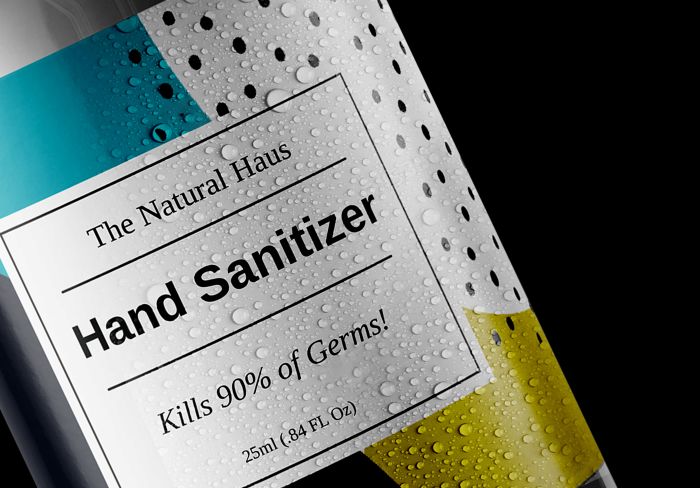
Laminate is a thin film that’s applied on top of the label, creating a physical barrier between the design and the outside environment.
- Gloss laminate gives a smoother, more polished finish
- Matte laminate can reduce glare and create a softer look
Because it sits on top of the label, laminate offers more protection against friction, moisture, and everyday wear. It also makes it easier to wipe off fingerprints or residue without affecting the design underneath.
For products that need to hold up to handling or moisture, custom-printed labels made from bi-oriented polypropylene film (BOPP) is a good place to start.
Think beyond the label—focus on how it’s used
Choosing between varnish and laminate is less about the label itself and more about what your product goes through.
If your products are handled often, exposed to moisture, or packed and transported regularly, laminate gives you the protection you need. If your labels are more about presentation and won’t go through much wear, varnish can be a simple, effective option.
For me, the biggest shift was thinking beyond how labels look when they’re first applied. What matters most is how they hold up once your product is out in the world. When you look at it that way, the right choice becomes much clearer.
Still weighing your options?
Try our material comparison tool to see how different label materials, finishes, and adhesives perform side by side.


