

Film, Paper, or Vinyl Labels: What Works Best and When?
Deciding between film, paper, or vinyl labels? Learn how each material performs and when to use them for different products and projects.

Most small businesses don’t need the most durable option—they need the right option
At first glance, paper, film, and vinyl labels can look pretty similar. But once your products start getting handled, refrigerated, packed for shipping, or displayed at events, the differences between label materials become a lot more obvious.
I learned this while selling my own handmade products at conventions and local events. In the beginning, paper labels seemed perfectly fine. But after hours of handling, travel, and being tossed into shopping bags, they started showing wear faster than I expected. Over time, glossy white and glossy clear film became my go-to choices. They gave me the durability I needed to keep my packaging looking crisp without stepping all the way up to vinyl.
Paper, film, and vinyl labels all have strengths, and knowing when each one makes sense can save you a lot of frustration later.
What are film labels?
Film labels are made from durable plastic-based materials instead of paper. They’re designed to hold up better against moisture, oils, refrigeration, handling, and everyday wear while still offering a polished, professional look. Some film labels are also flexible enough for squeezable or tapered packaging, helping labels wrap more smoothly around products like sunblock bottles, squeeze pouches, and curved cosmetic containers without wrinkling or lifting.
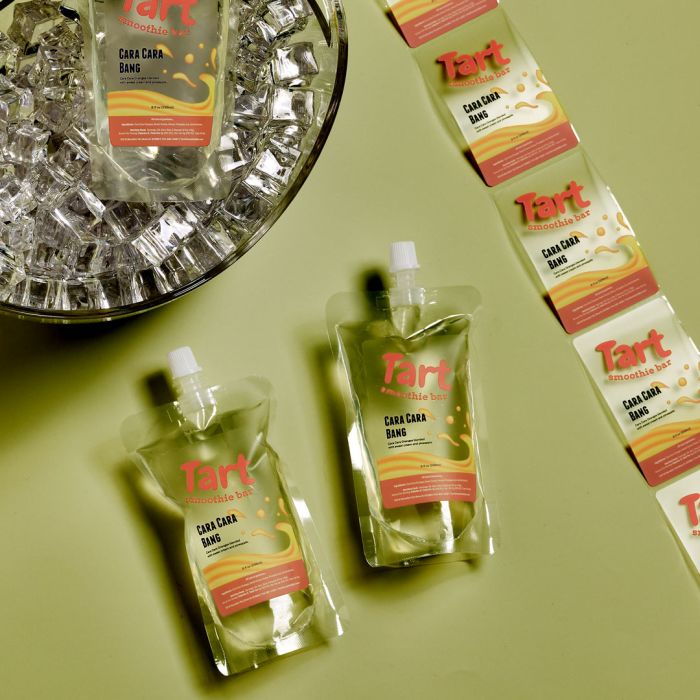
Film labels at a glance
- Smooth application on curved containers
- Tear resistance
- Water resistance
- Oil resistance
- Scuff resistance
- Fade resistance
- Long shelf life
- Works well with protective laminate coatings
When film labels make the most sense
For many small businesses, film labels are a practical middle ground between paper and vinyl. They offer more durability than paper labels while still being flexible, polished, and versatile enough for a wide range of products. Film labels are especially useful for products that may deal with moisture, refrigeration, oils, frequent handling, or transportation because they range from water-resistant to waterproof.
I started leaning more toward glossy white and glossy clear film labels once I began selling my handmade products at conventions and local events more regularly. Paper labels looked great at first, but after hours of handling, being packed into shopping bags, and traveling to different events, they started showing wear faster than I expected. Film labels held up much better while still giving my packaging the clean, professional look I wanted.
Some film labels can also be paired with protective laminate coatings for even more resistance to scuffing, moisture, and everyday wear. If you’re deciding between laminates and varnishes, it’s worth understanding how each coating affects durability, texture, and finish.
What’s the difference between film and vinyl labels?
Film and vinyl labels are both plastic-based materials, which is why the difference can feel confusing at first. Vinyl is actually a type of film label, but it’s generally designed for more extreme durability, outdoor exposure, and long-term wear. While film labels are often a better fit for everyday product packaging, vinyl labels are usually the better choice for harsh environments, equipment, outdoor applications, and surfaces that need a stronger adhesive and extra resistance to weather, scuffing, and fading.
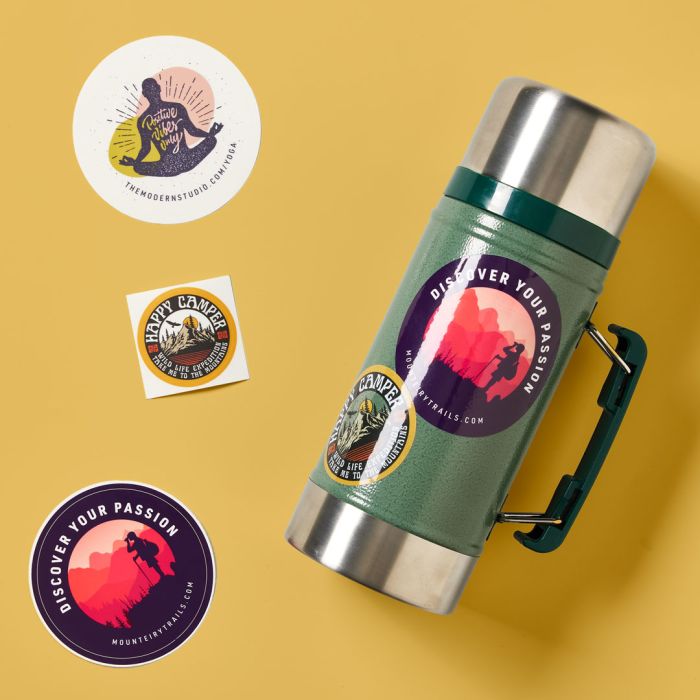
Vinyl labels at a glance
- Long shelf life
- Tear resistance
- Water resistance
- Oil resistance
- Scuff resistance
- Fade resistance
Applications where vinyl labels shine
Vinyl labels are usually the material I think of for products and surfaces that need to survive serious wear and tear. Personally, I haven’t needed vinyl labels much for my own small business because glossy film labels handle my packaging needs perfectly well. When I think of vinyl, I actually think of labeling things like bike helmets, sports equipment, and outdoor gear where labels need to stay put through weather, friction, sunlight, and heavy handling.
That’s where vinyl labels really shine. They’re designed for harsher environments, stronger adhesives, outdoor exposure, and long-term durability. Many vinyl labels are also waterproof, fade-resistant, and resistant to tearing or scuffing over time, making them a great fit for equipment, outdoor products, and surfaces that need extra durability.
Labels made from paper
There’s a tactile, textural feel to paper labels you just can’t get from film, which is why they’re still a popular choice for many handcrafted businesses. For my own small business, I’ve started using paper labels for things like recyclable paper bags and most shipping boxes (as long as I’m not shipping during the rainy season).
But recyclability can vary depending on the label material, adhesive, liner, and packaging surface. Even so, switching some parts of my packaging from plastic to recyclable paper labels, bags, and boxes feels like a small but realistic step toward making my workflow a little more sustainable overall.
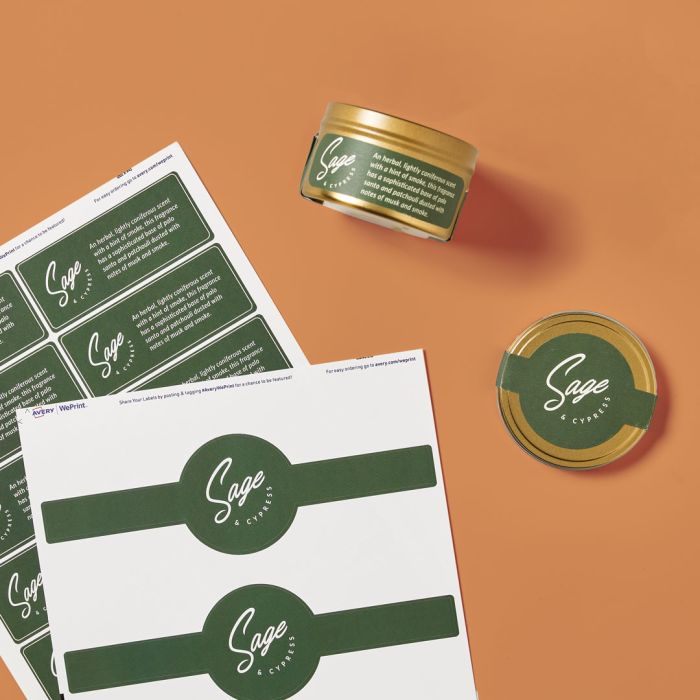
Paper labels at a glance
- A handcrafted or vintage look
- More tactile and textured
- Cost-effective solution
- Good ink adhesion
- Often easier to recycle
Why many businesses still prefer paper labels
Paper labels are still a popular choice for businesses that want a more tactile, textured, or vintage-inspired presentation. They’re especially common for products like candles, soaps, coffee bags, specialty foods, gift packaging, and other brands where the look and feel of the packaging is part of the customer experience.
They’re also often more cost-effective than film or vinyl labels and available in a wide variety of finishes, colors, and textures. While paper labels aren’t the best fit for heavy moisture or extreme wear, laminates and varnishes can help add extra protection depending on the application.
For many businesses, choosing paper labels isn’t about settling for a less durable material. It’s an intentional packaging choice based on aesthetics, cost, recyclability goals, and the overall brand experience they want to create.
Choosing film, paper, or vinyl labels depends on how you’ll actually use them
There’s no single “best” label material for every product or business. Paper, film, and vinyl labels all solve different problems depending on your packaging, environment, durability needs, and overall brand experience.
For many businesses, the right choice comes down to balancing appearance, handling, moisture exposure, outdoor use, cost, and how products are actually used in real life. In some cases, a simple paper label may be the perfect fit. In others, a durable film or vinyl label makes more sense long-term.
If you’re still comparing options, the Avery label material comparison tool can help you explore different materials, finishes, adhesives, and durability features side by side.


