

Organizing Paperwork at Home? How to Choose the Best Binder
Learn how to choose the best binder for organizing paperwork at home. Compare binder types, features, and practical tips to stay organized.

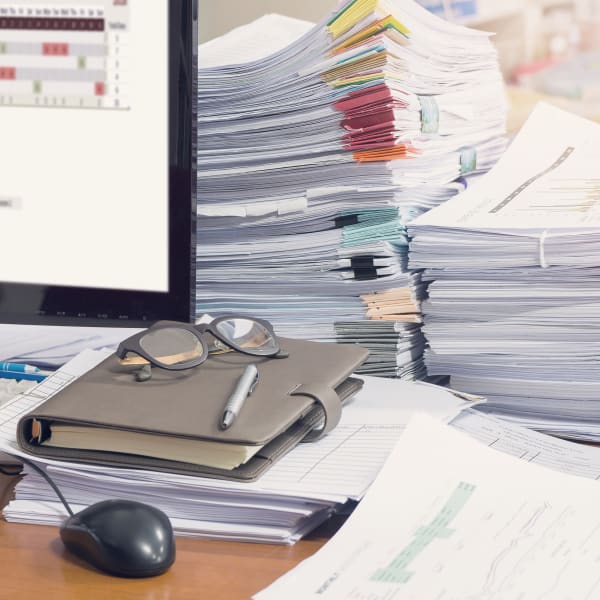
Let’s be honest: paperwork has a way of piling up
We’ve all been there. Organizing paperwork around your home is not exactly a fun task. If you’re like me, it often feels tedious, thankless, and never-ending, but hear me out: it’s actually worth it. In fact, staying organized can even reduce stress and improve productivity, according to the Beverly Hills Therapy Group.
But knowing something’s good for you has never made it easier to do. In my experience, having a full-time job and juggling a side hustle, there are two things that helped me finally conquer paper clutter: A good binder and a simple filing system that I could actually stick with.
Whether it’s household records, tax documents, or work files, the best binder for paperwork is one that makes it easier to stay organized and find what you need. So how do you choose the one that’s best for you? It starts with understanding the features that make the biggest difference.
Why the right binder makes paperwork easier to manage
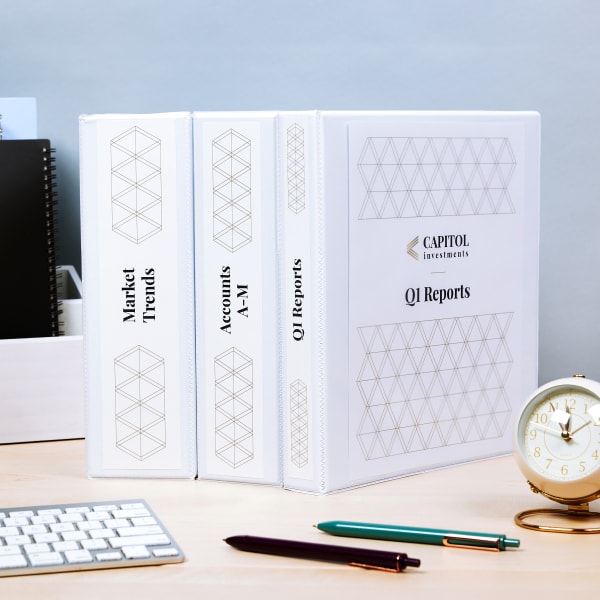
An organized home office isn’t about having a picture-perfect desk. It’s about spending less time digging through stacks of paper and more time getting things done. I’ve found that a good binder makes it much easier to keep paperwork in one place, so you can find what you need without the frustration.
A quality binder also holds up better over time. If you’re carrying it between home and work or opening it every day, sturdy materials and strong rings make a real difference. I’ve had the best luck with Avery heavy-duty view binders because they’re durable, easy to customize, and built to handle everyday use.
Which type is the best paperwork binder for you
Avery offers three main types of binders for paperwork: economy, durable, and heavy-duty. Each one also comes with different options, including view or non-view covers, ring styles, and colors. We’ll cover the different types of binder rings below, but first, let’s look at which binder is the best fit for the way you work.
If you’re on a tight budget, economy 3-ring binders are a solid choice. They cover the basics without the extra features. Durable binders are a step up, with stronger construction for everyday use. Heavy-duty binders build on that with added pockets and premium features, making them my go-to recommendation if you’re organizing paperwork you’ll use often.
| Good | Better | Best |
|---|---|---|
| Economy view | Durable view | Heavy-duty view |
What to look for in a binder for paperwork
Durability and construction
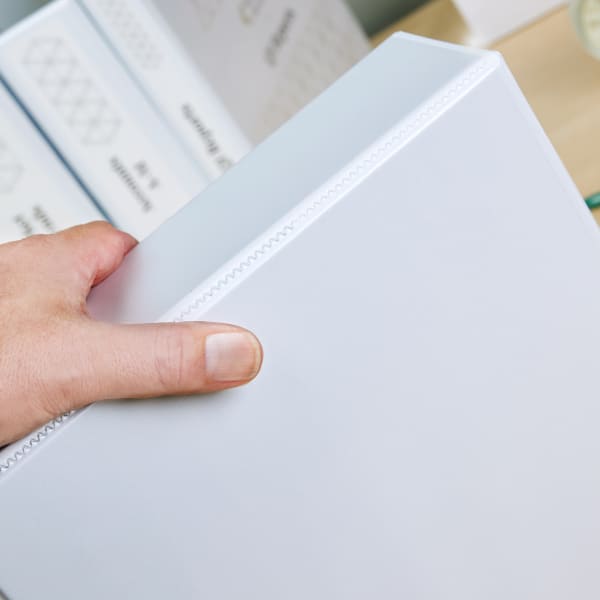
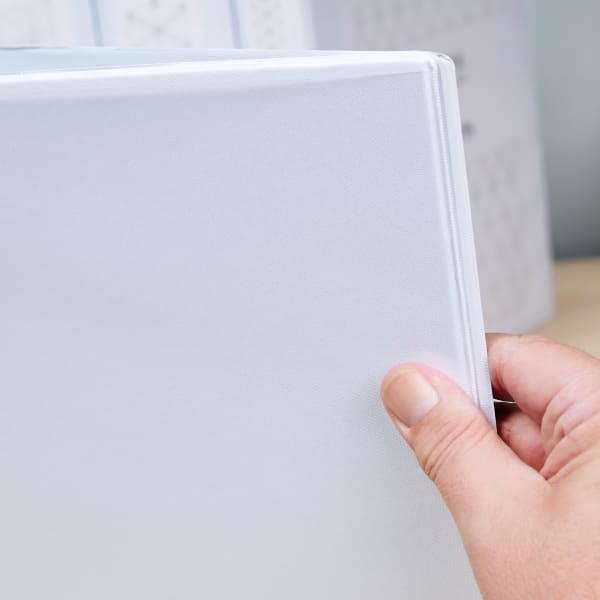
Both Avery Durable and Heavy-Duty binders are built to last. They use premium materials and construction methods that help prevent the wear and tear you see with cheaper binders. Features like DuraEdge® and DuraHinge® reinforce the edges and spine, while stronger ring mechanisms hold up better with frequent use. If you’re using a binder for work or important paperwork, those details make a noticeable difference over time.
If you’re deciding between the two, I’d recommend Avery Heavy-Duty Binders for paperwork you’ll use regularly. They have the same durable construction as the Durable line but include extra pockets and other features that make them more practical for long-term, everyday use.
Size and sheet capacity
Binder size is mostly about how many pages you need to store. While the type of binder rings also affects sheet capacity (more on that below), the width of the binder spine is the biggest factor. Choosing the right size means your paperwork fits comfortably without overstuffing the binder.
It’s also worth thinking a little ahead. If you know you’ll be adding paperwork over time, choosing a slightly larger binder can save you from replacing it later. Avery Heavy-Duty View Binders come in seven spine sizes, from 1/2″ to 5″, with the 3″ size being the most popular for everyday paperwork. You can also filter Avery Heavy-Duty Binders by size to find the best fit.
Customization
One feature I always recommend is choosing a view binder if you want to stay organized. Being able to customize the cover and spine makes it much easier to spot the right binder at a glance, especially if you’re managing multiple projects or different types of paperwork. You can create and print your own inserts for free with Avery Design & Print Online. Or, if you need something polished for presentations, creating a custom-printed binder might be a better option.
Resources to help you personalize binder spines and covers
- Video: How to Find and Download Avery Templates
- Video: How to work with images and backgrounds
- Video: How to add and edit text
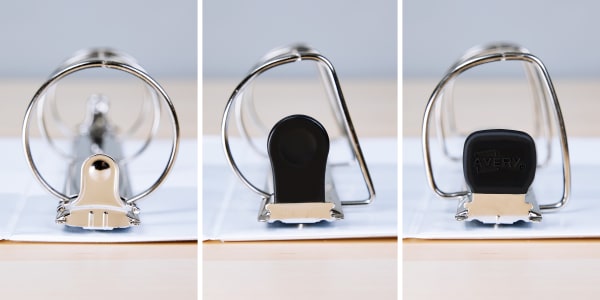
Ring mechanisms
There are two parts to a binder ring mechanism: the rings themselves and the lever that opens them. Avery binders use either a standard two-handed lever or our proprietary One Touch™ mechanism, which lets you open the rings with a single press. If you’re moving paperwork in and out of your binder all day, it’s one of those features you’ll appreciate more than you might expect.
The rings also come in different shapes. Most binders use round, slant, or D rings, while Avery offers round, slant, and EZD® rings. EZD rings are an upgraded version of D rings that help pages turn more easily while keeping papers securely in place.
Are D-ring binders better?
Yes. When you’re organizing paperwork and you’re choosing between the two, I’d recommend a D-ring binder over a round-ring binder. EZD® rings are a type of D-ring and they’re always my go-to choice. Mainly because they’re mounted to the back cover, so the pages lie flatter, turn more easily, and the rings hold more paper. In fact, an EZD-ring binder can hold up to 50% more sheets than a round-ring binder with the same spine width. Here’s a closer look at how round, slant, D, and EZD rings compare:
| Benefit | Round | Slant | EZD |
|---|---|---|---|
| Holds paper securely | ✓ | ✓ | ✓ |
| Pages lay flat | ✓ | ✓ | |
| Durable | ✓ | ✓ | |
| Higher capacity | ✓ | ✓ | |
| Gap-free page turning | ✓ | ||
| Highest capacity | ✓ |
Storage pockets
One feature I didn’t appreciate until I started using it was extra storage pockets. They’re perfect for holding loose papers that you haven’t filed yet, handouts you need to reference later, or documents waiting to be hole-punched. Keeping those papers inside the binder instead of stacked on your desk makes it much easier to keep paperwork from taking over.
View covers
If you need more than one binder to organize your paperwork, view covers are worth it. Customizing the front cover and spine means you can find the right binder in seconds instead of pulling three off the shelf to check what’s inside. Avery offers printable spine inserts, free binder spine templates, and dozens of free cover templates that you can customize and print at home.
How to organize paperwork in a binder
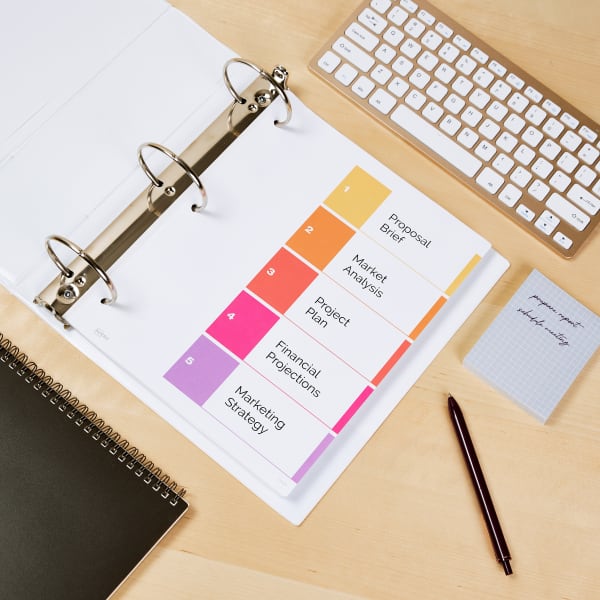
Start by grouping your paperwork into categories that make sense for you, whether that’s by topic, project, or family member. Then add dividers to create clear sections so everything has a place. I like using dividers with printable table of contents pages, like Avery 11131 5-tab dividers, because they’re easy to customize and update as your filing system changes. From there, organize your papers alphabetically or chronologically—whatever you’ll remember when you need to find something later. Finally, set a reminder every few months to clear out paperwork you no longer need.
How organize binders on a shelf
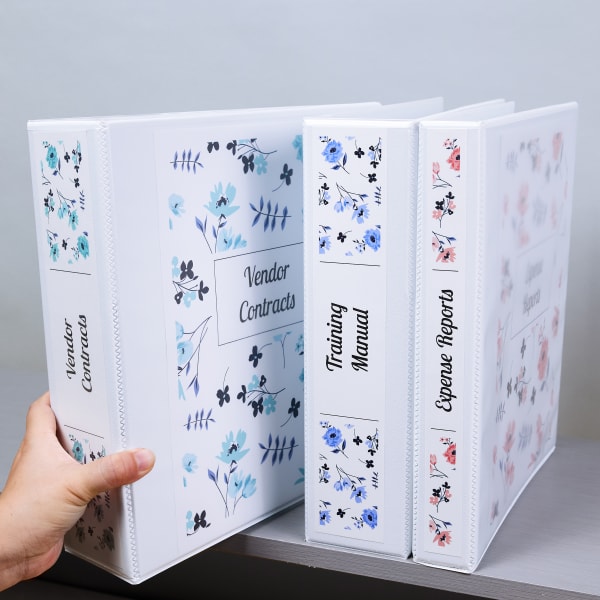
My favorite way to organize binders on a shelf is to stand them up side by side with the spine facing out. Stacking works if you have to, but standing up looks cleaner and makes the binders easier to grab.
I also like to make sure that the height of the shelf is at least an inch bigger than my binders so that the binders don’t touch the shelf above.
My other trick is to use view binders so that I can customize the spine. It looks nicer in my home office and makes it easy to identify what kind of paperwork is in each binder.
Choose the best binder for your workflow
The “best” binder isn’t always the biggest or the most expensive. It’s the one that fits your paperwork, keeps everything easy to find, and makes staying organized feel manageable instead of overwhelming.
After years of juggling work and a side business, I’ve found that a simple filing system and a reliable binder beat complicated organization systems every time. Start with the features that matter most to you, and build a system you’ll actually stick with.
Ready to find the right binder?
Compare Avery binders by size, durability, and features to find the best fit for your paperwork.

